
Rediscovering Breathing: How Sports Teach Us to Live Better
April 10, 2025
April 10, 2025
There are actions we perform every day without giving them much thought.
Breathing is one of them.
It happens automatically, but there comes a moment when this natural act takes on a different meaning—when we start to move, to run, to train.
In sports, we realize how much the way we breathe can actually make a difference.
An Automated but Not Automatic Function
Breathing is the only autonomic function in the human body that we can also control voluntarily.
In everyday life, we rarely pay attention to it, since it regulates itself silently in the background.
But the moment we engage in physical activity, we notice something: breath isn’t infinite, there are moments when it falls short, and learning to breathe properly is anything but obvious.
In sports, breathing becomes a resource—something to understand, to listen to, and to train—especially when dealing with prolonged exertion or the need to stay mentally sharp under pressure.
A Moving Body Teaches a Different Kind of Breathing
In many disciplines, breathing is not just physiological support—it’s an integral part of the technique.
For example, in swimming, it’s closely timed with the stroke; in running, it sets the pace.
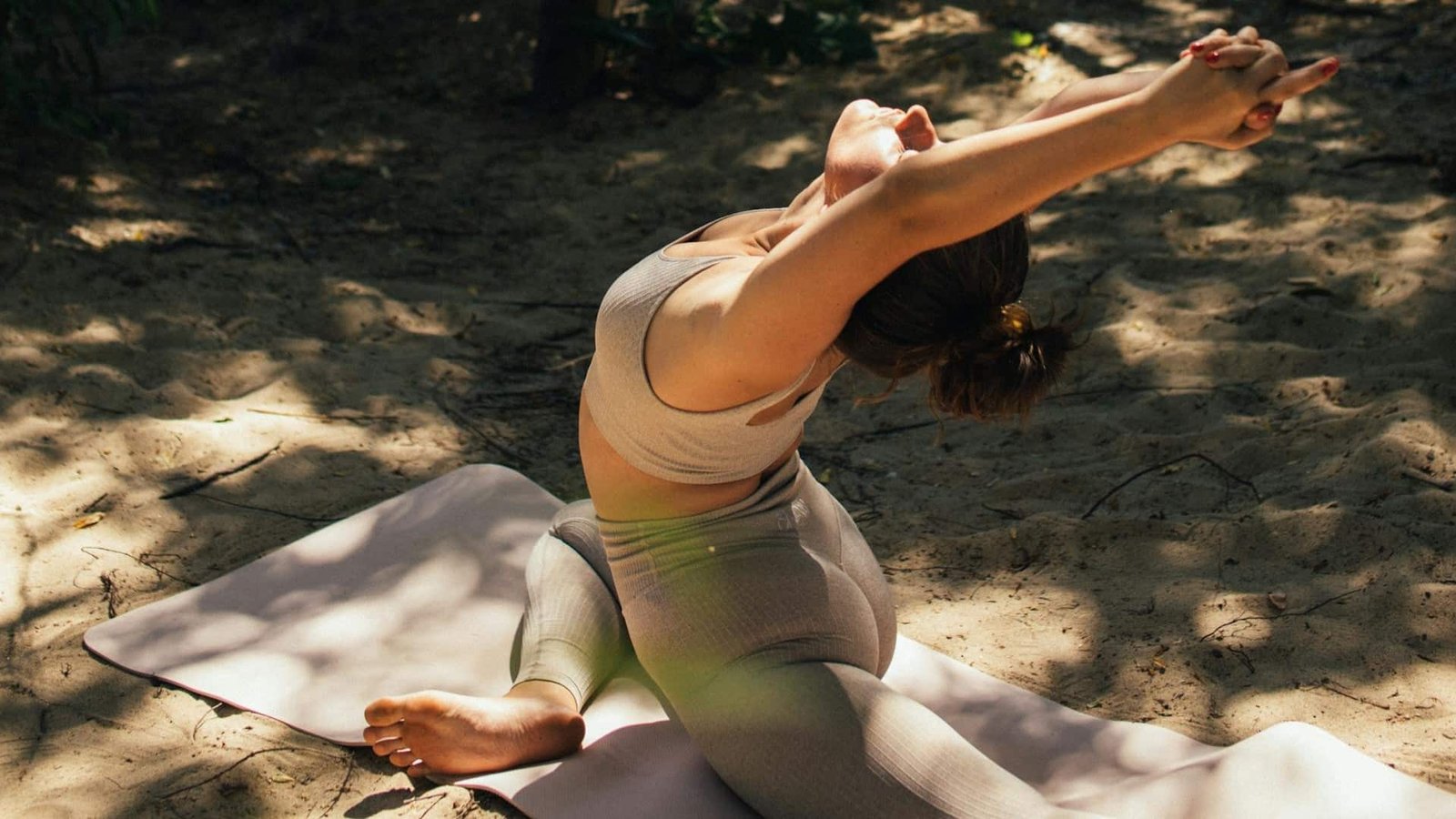
Instead, in yoga and martial arts, it helps maintain balance and centeredness.
In all of these practices, a new awareness emerges: changing the rhythm of the breath also changes how we feel.
Learning to use the diaphragm, control exhalation, and find space for recovery between efforts—these are skills acquired through experience and mindful attention.
You don’t need advanced technology.
You just need to pay attention—because breath is already there, ready to be guided.
The Link Between Breathing and the Nervous System
To influence the breath is to influence the nervous system.
Breathing slowly and deeply doesn’t just help you relax—it directly affects the body’s physiological mechanisms.
For example, it slows heart rate, lowers stress hormones, and decreases mental overactivation.
During training, this means managing fatigue more effectively and staying present even when your body begs to stop.
In daily life, it translates to better emotional regulation, improved sleep, and a steadier approach to challenges.
An Invisible Practice That Enhances Presence and Recovery
In any athletic journey, good breathing isn’t just about performance.
It’s a form of internal support, an energy reserve to draw from in critical moments.
Athletes who work on their breath often don’t do it to move faster—but to feel better, recover quicker, and prevent tension-related injuries.
But you don’t have to be a pro to experience these benefits.
Those who train for pleasure, walk daily, or simply want to feel more grounded can discover that breath is an effective way to reconnect with themselves.
Making Room for Breath to Shift Perspective
Breathing is a biological function—but it’s also a way to slow down, observe, and listen.
This is the gift of sports: it brings us face to face with our limits and, at the same time, teaches us how to move beyond them.
Often, the key isn’t in pushing harder—but in breathing deeper, with greater awareness.
Training your breath means learning how to be present.
In athletic movements, yes—but also in conversations, difficult moments, and the stream of thoughts that fill our days.
It’s an invisible form of training—but a real one—that begins on the field and continues into everyday life.
If you’d like a free consultation to discover what kind of sponsorship might suit you, contact us. We’re waiting for you!